
JUCA-AO-VIVO JUCA-LIVE
2019, Live cinema performance, 50min
Maurício Chades and Ramiro Galas
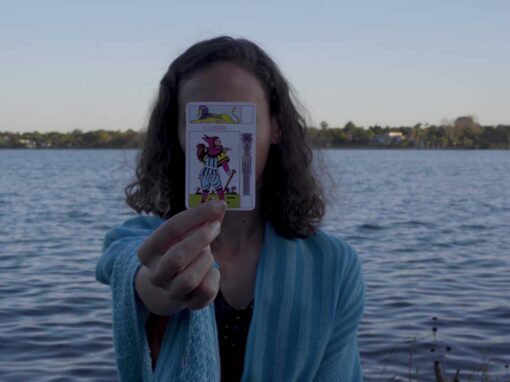
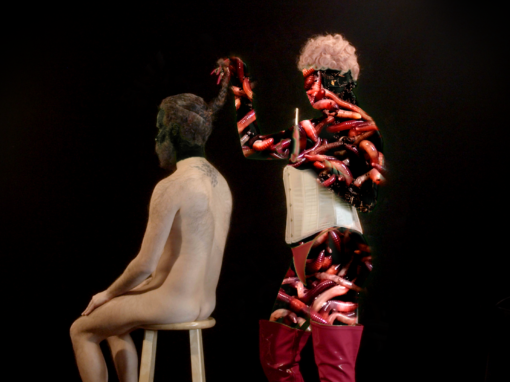
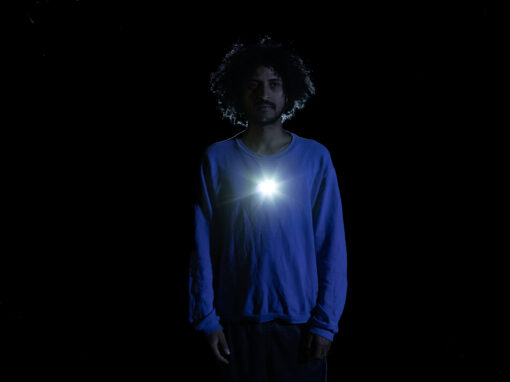
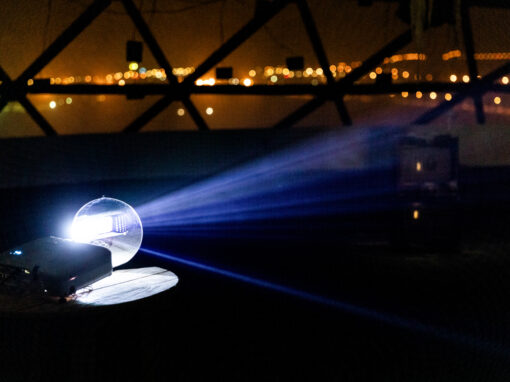
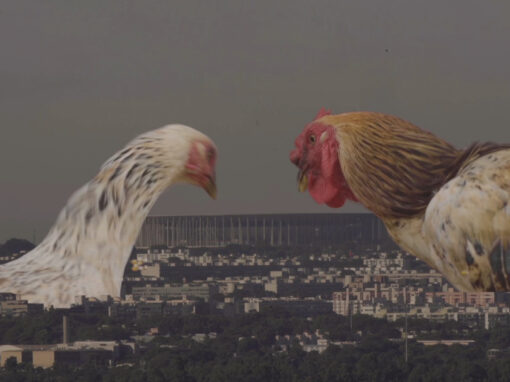
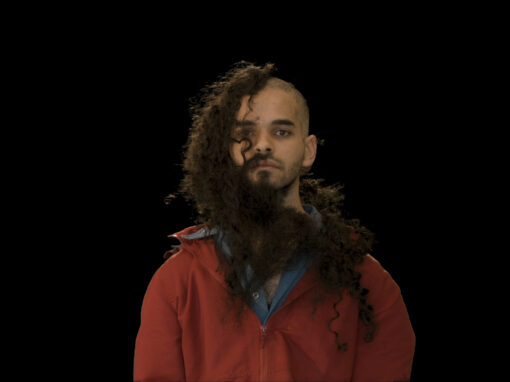
Será que Juca tá vindo? Em JUCA-AO-VIVO, continuamos a buscar por JUCA, revirando os HD’s com arquivos do filme, editando na presença do público. Ao longo de 60min de performance, Maurício Chades e Ramiro Galas especulam tudo que JUCA ainda pode ser, processando imagens, sons e música em tempo real, em oposição ao filme renderizado para o formato ‘cinema’.
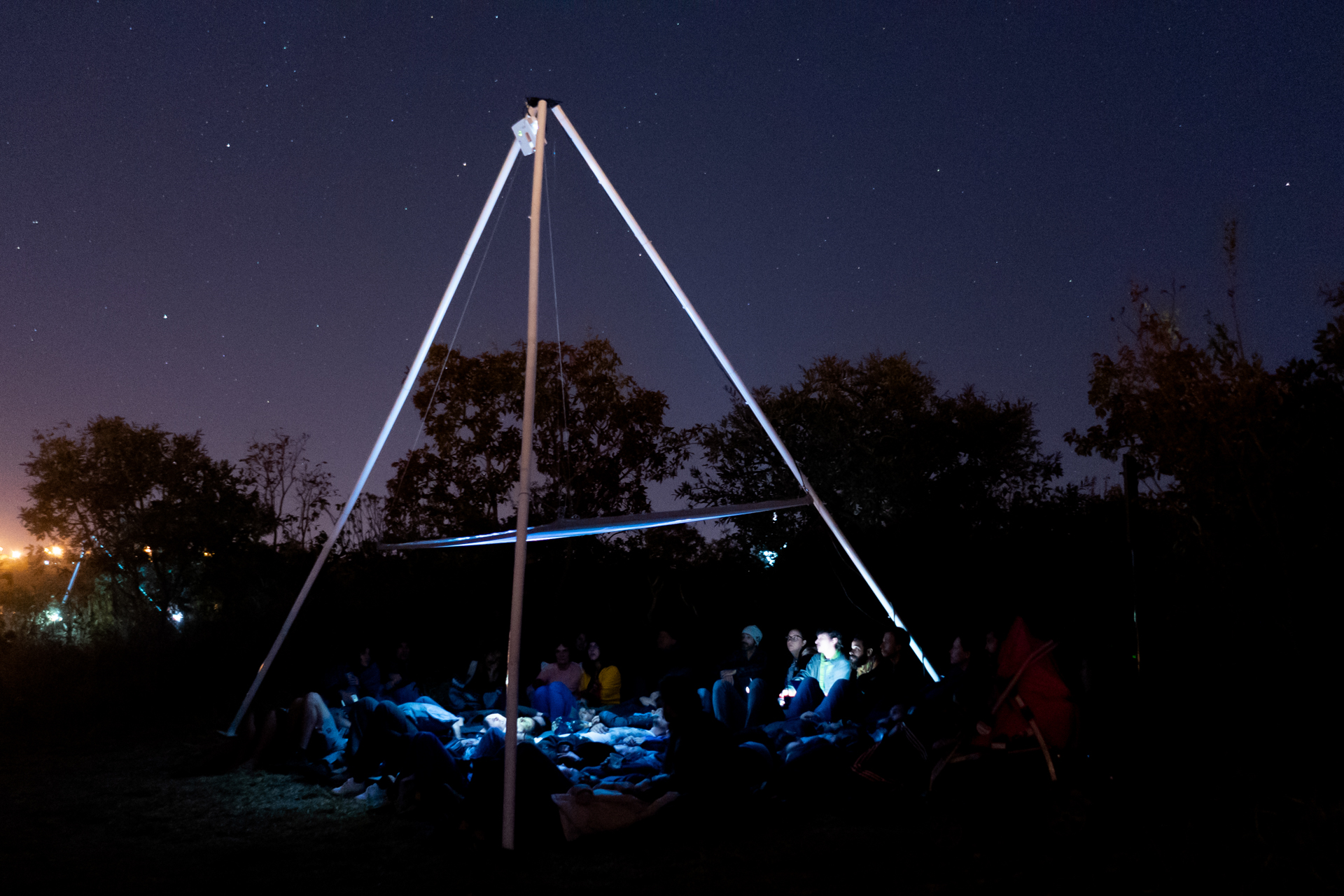
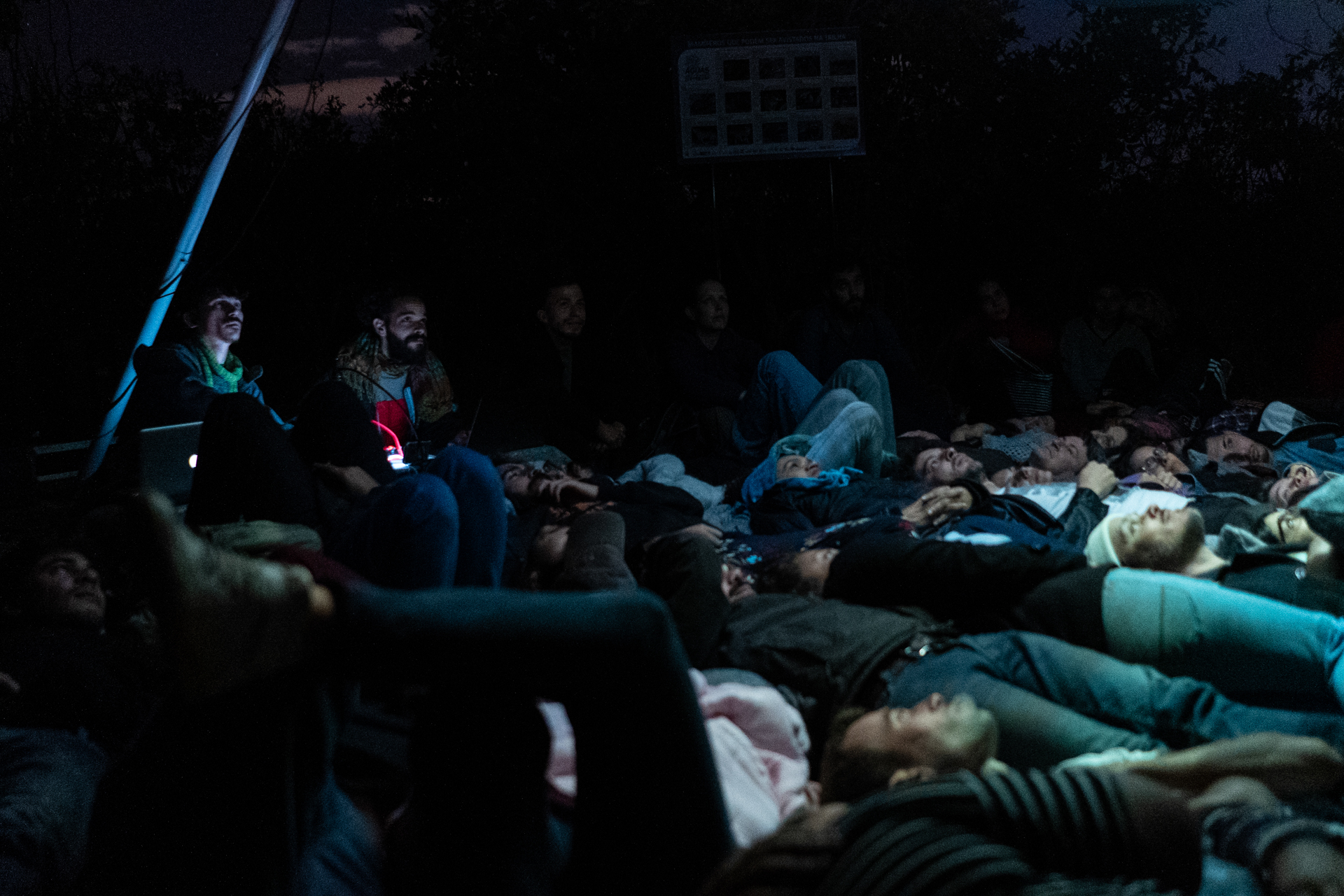
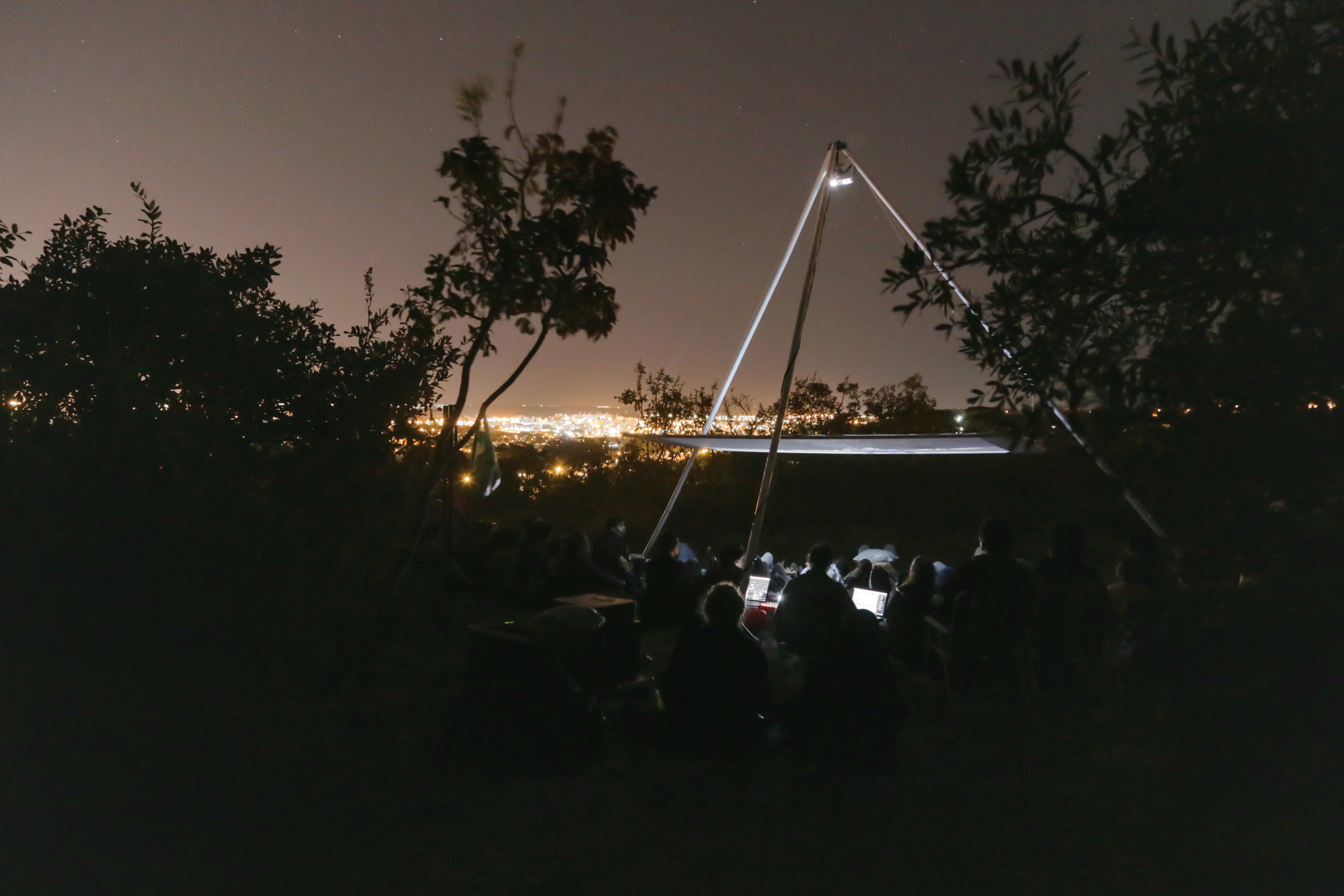
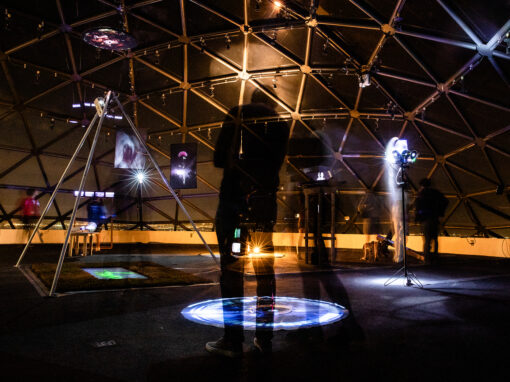
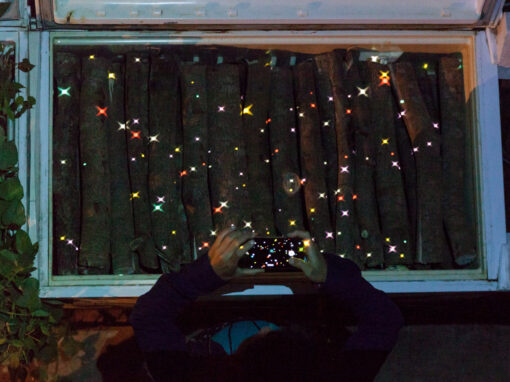
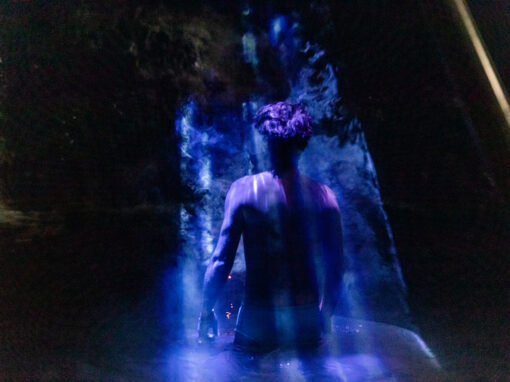
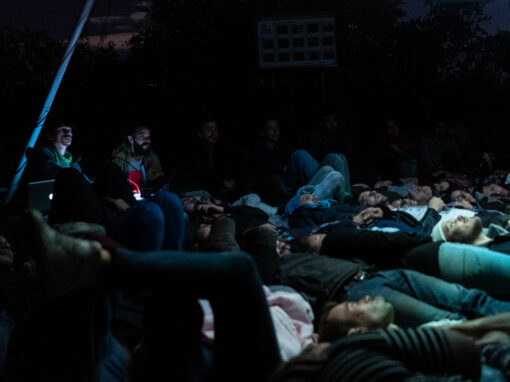
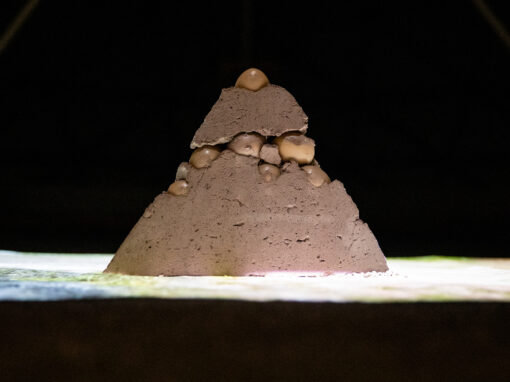
JUCA-AO-VIVO teve duas sessões durante a exposição Piramide, Urubu em 2019. A primeira foi a céu aberto, no alto da Pedra dos Amigos no Córrego do Urubu, um dos cenários do filme. A segunda sessão foi nas cúpulas de vidro da Torre de TV Digital de Brasília. Na performance, Maurício e Ramiro editam ao vivo os arquivos do filme, recombinando e mixando o material em diferentes versões.
Is Juca coming? In JUCA-LIVE, we continue to search for JUCA, rummaging through the HDs with film files, editing in the presence of the audience. During the 60-minute performance, Maurício Chades and Ramiro Galas wonder about everything that JUCA can still be, processing images, sounds and music in real time, as opposed to the film rendered for the ‘cinema’ format.
JUCA-LIVE had two sessions during the Pyramid, Urubu exhibition in 2019. The first was an open-air presentation, at the top of Pedra dos Amigos in Córrego do Urubu, one of the film scenarios. The second session was at the glass domes of the Brasilia Digital TV Tower. In the performance, Maurício and Ramiro edit the film files live, recombining and mixing the material in different versions.






![TERRA[CAP]](https://www.mauriciochades.com/wp-content/uploads/2020/07/PirâmideUrubuJanineMoraes65-510x382.jpg)




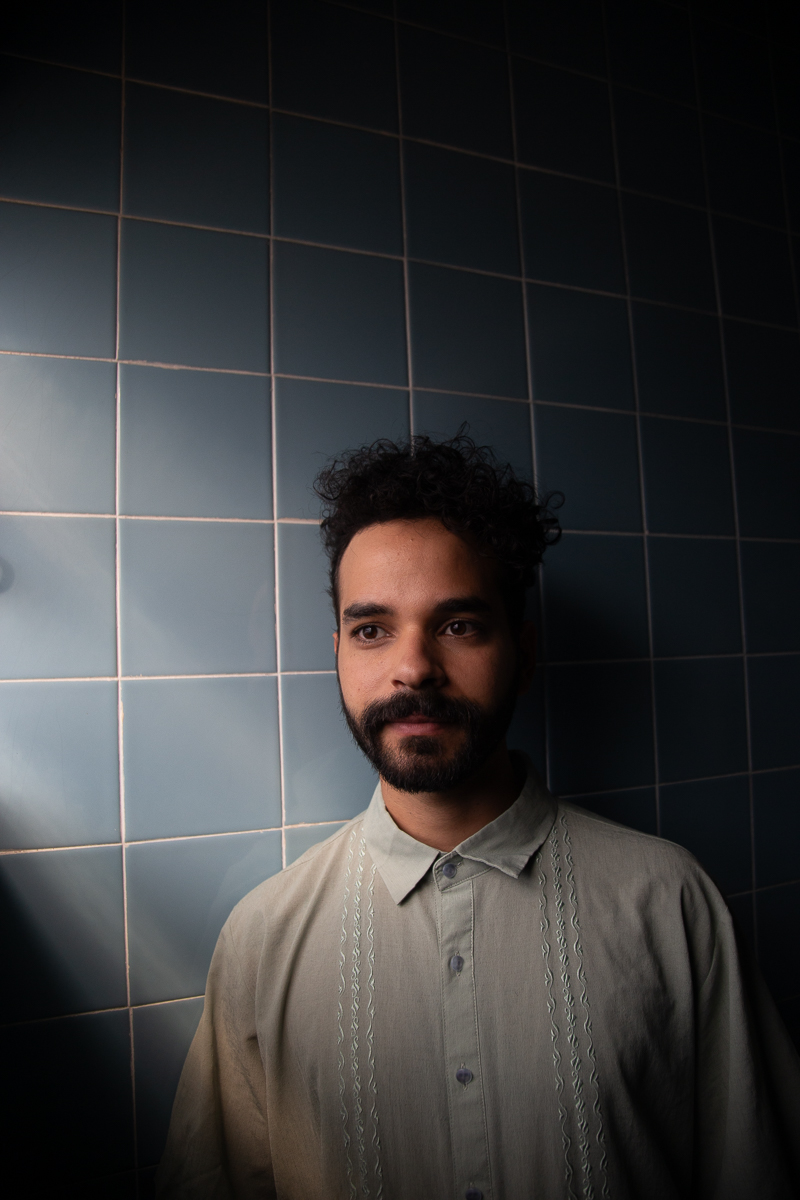
Maurício Chades (Gilbués-PI, 1991) é artista visual e cineasta, cuja prática transita entre cinema e instalação. Atuando entre o Centro-Oeste brasileiro e Los Angeles, Chades investiga ecologias queer, imaginários anticoloniais e alianças multiespécies que confrontam lógicas extrativistas de território, tempo e morte. Seu trabalho articula fabulação especulativa e ecologia crítica, frequentemente partindo de imersões territoriais para entrelaçar conhecimento situado a sistemas ambientais.
Mestre em Arte e Tecnologia pela UnB e MFA pela School of the Art Institute of Chicago, integrou coletivos como o NINHO, focado em arte e agroecologia. Sua produção tem circulado em importantes eventos nacionais e internacionais, incluindo a Bienal Sesc_Videobrasil, o Queer Lisboa e o FILE.
Em 2019, realizou a individual Pirâmide, Urubu, exposição premiada com o Frankenthaler Climate Art Award (2022). Seus filmes acumulam distinções em festivais como o e-flux Film Award, Olhar de Cinema e Curta Cinema. Em 2024, foi um dos artistas indicados ao Prêmio PIPA. Atualmente, finaliza seu primeiro longa-metragem, COGUM, um eco-horror que explora a decomposição e o luto como chaves para repensar o trabalho, a ancestralidade e o pertencimento à terra.
Maurício Chades (b. 1991, Gilbués, Brazil) is a visual artist and filmmaker whose practice spans cinema and installation. Currently based between the Brazilian Cerrado and Los Angeles, Chades explores queer ecologies, anticolonial imaginaries, and multispecies relationships that challenge extractive perspectives on territory, time, and mortality. By weaving together speculative fabulation and critical ecology, his projects often emerge from deep territorial immersions, linking situated knowledge with broader environmental systems.
Chades holds an MFA from the School of the Art Institute of Chicago and an MA in Art and Technology from the University of Brasília. His work has been exhibited internationally at venues such as the Sesc_Videobrasil Biennial, Queer Lisboa, and FILE (Electronic Language International Festival).
In 2019, he presented his solo exhibition, Pirâmide, Urubu, which received the Frankenthaler Climate Art Award in 2022. His short films have earned accolades from the e-flux Film Award, Curitiba International Film Festival, and Rio de Janeiro International Short Film Festival. A 2024 Pipa Prize nominee, he is currently in post-production for his debut feature film, COGUM, an eco-horror centered on decomposition and interrupted grief as frameworks to reimagine labor, ancestry, and human ties to the land.